We are looking forward to working with you on your journey towards ordained or licensed ministry. We call ministry training ‘formation,’ because we believe that during this period the most important thing is that you grow even more into the person God is calling you to be. It is not just about learning facts or skills but growing into maturity in Christ.
Training at St Padarn’s is normally for two or three years, full or part time. Part time candidates are based at home and do a placement and their theological learning locally. Full time candidates come to St Padarn’s Cardiff for 48 hours, Wednesday – Friday for 24 weeks of the year, as well as serving 2 days per week in a local placement. All candidates do a common pattern of residentials where we learn about the theology and practice of ministry together. The dates are available well in advance and you will find them here. Attending all the training is vital so please put the dates in your diary now.
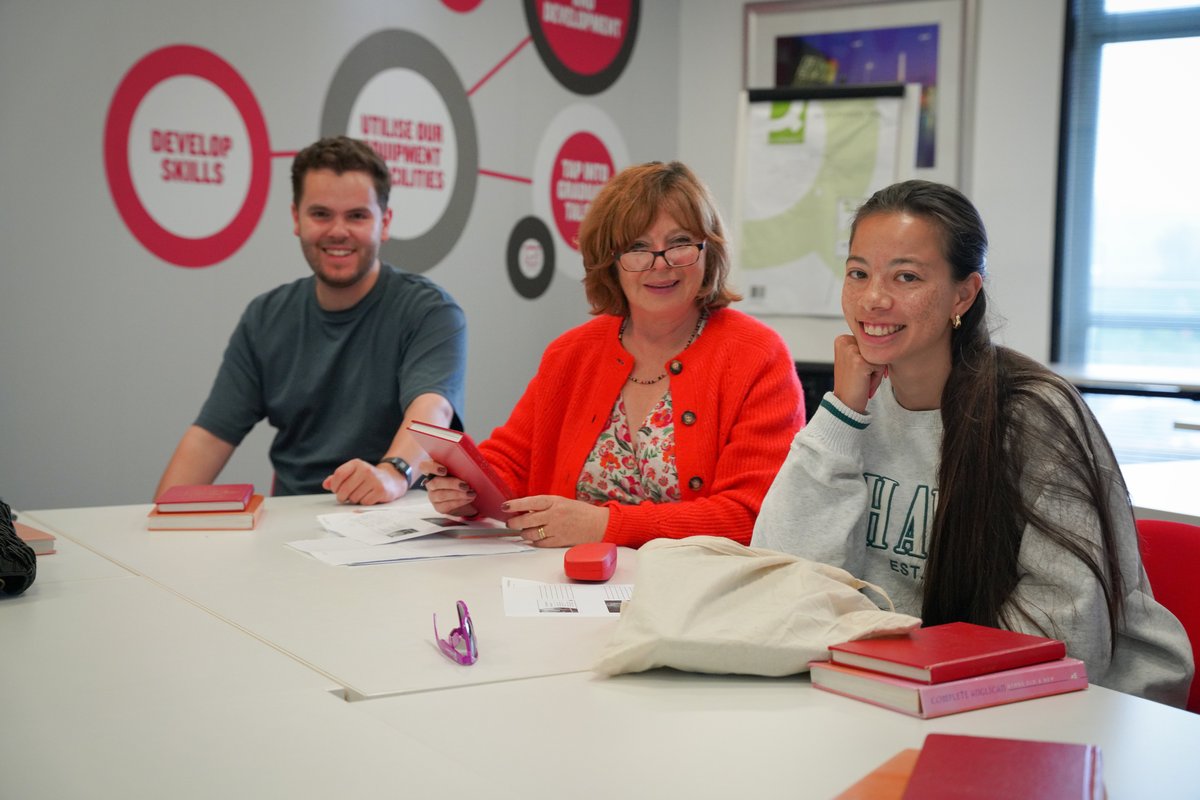
Meet our candidates
The four building Blocks of training are:
Theological Learning
Growing in your knowledge of God is a key aspect of formation, and everyone who trains with us follows some kind of theology course. Most candidates for ministry study on our Theology for Life (BTh in Theology for Discipleship, Ministry and Mission) programme, which is validated by the University of Wales Trinity St David and specifically designed with the needs of discipleship and ministry in mind.
If you already have a degree in theology you will be able to do a postgraduate course – normally our MA in Theology, Ministry, and Mission, which is validated by Durham university. If you already have a Masters in theology you will normally do some kind of research degree. We encourage you to fulfil your potential in terms of theological qualifications – the Church in Wales needs theological educators for the future. Please contact us as soon as possible if you need to discuss your theological learning.
Theology and Practice of Ministry Residentials
You will attend four residentials a year, held in locations all over Wales – a week long summer school (usually the third week in August) and three weekends. The aim of the residentials is to explore and gain greater confidence in the theology and practice of ministry. Topics covered at residentials include teaching and preaching, pastoral care, life events, all-age worship, and growing new Christian communities. Residentials include keynote talks from important leaders and thinkers in the Church in Wales and beyond, candidate-led worship, and time for fellowship with other candidates.
Formation Groups
Formation Groups consist of 3-5 candidates meeting together regularly with a Formation Tutor to reflect on their formation. This is a space for candidates to reflect on the challenges and joys of ministerial training, ways in which they have grown/developed, things they have learned about themselves, and points of connection between the various aspects of their training and formation
Placements
You will become part of a ministry team in your placement, gain practical experience and be supported by an experienced minister. We have a dedicated tutor who arranges and supports placements. Full time candidates do a 2-day placement each week, and part time candidates do at least 4 hours each week.
Full time programme
If you are training full-time, you will normally attend the Wednesday-Friday programme in Cardiff 24 weeks per year, as well as six Formation Days in a regional hub near you. Some candidates live onsite in Cardiff, but most candidates remain where they are—living and serving their placement in their local context and travelling down to Cardiff for the Wed-Fri programme. The Wed-Fri programme consists of regular candidate-led worship, classroom learning, candidate formation groups, and communal meals and fellowship.
Do I have to pay for this course?
No. The Church in Wales provides grants for people training for ministry. For part time candidates this is currently £435 per year and expenses are provided for travel. For full time candidates, grants are available to cover basic living costs. This grant is calculated individually dependent on housing, household income and other living costs. Once St Padarn’s receives a candidate’s sponsor form from their sending Diocese the information is passed on to the Church in Wales Finance department. They will send out more information about grant entitlements and forms to be completed in order to apply for grants.
New candidates who already live in clergy housing should contact Siân Trotman, Learner Services Manager to discuss your situation.
If you are living on-site at St Padarn’s whilst training for ministry, please set your 'number of bedrooms' and 'monthly rent/mortgage' to 0 in the below form.
As each person’s circumstances is different, please contact Siân Trotman , our Learner Services Manager who handles grants, and she will be very happy to help.
Normally the decision is made between your bishop, ministry officer and ourselves in consultation. To guide these decisions the bench of bishops have agreed the following guidelines for ordination training:
For those who are entering full time ordained ministry:
The expectation would be 3 years, full time training for all stipendiary clergy
If an ordinand has significant experience of Lay Licensed Ministry, it would be appropriate to consider two years.
If an ordinand has significant life experience and transferable skills, two years may be appropriate. This would be mapped out against the bishops’ priorities’ criteria.
If an ordinand has already some theological qualifications (e.g., a Cert HE, Dip HE, undergraduate or postgraduate degree) it may be appropriate to consider two years.
Ordinands who have a degree or above in theology already, and in particular if they have potential as a theological educator, would be encouraged to complete a Masters or a research degree.
All those entering full time ordained ministry should have gained at least a diploma in theology by the end of their training.
In rare exceptions we can develop bespoke theological training alongside other aspects of formation, however we prefer ordinands to be working towards a qualification if at all possible.
Two years training is the minimum we would recommend for full time ministry, except for in very unusual circumstances e.g., an ordained minister from another denomination entering Church in Wales ministry, or for other reasons of age or considerable experience.
For those entering part time and / or non-stipendiary ordained ministry
Those entering part time and / or non-stipendiary ordained ministry will normally train part time.
3 years part time training would be the norm (for this reason, we would encourage potential candidates for part time ordained ministry to start Theology for Life for a year during the discernment process so that they can complete a diploma in theology during three years of training)
Those not able to gain a diploma by the end of their training will need further discussion
If an ordinand has significant experience of Lay Licensed Ministry, 2 years may be appropriate.
If an ordinand has a theology degree, or in some cases a diploma, 2 years may be appropriate.
In rare exceptions we can develop bespoke theological training alongside other aspects of formation, however we would expect the vast majority to be working towards a theological qualification.
Part time training takes around 15 hours per week. This includes placement, theological learning, residentials and formational cells. It is very important that you consider very carefully if you are able to make this sort of a time commitment before starting the discernment process and training. We will however work with you to help you prioritise your time if you are sponsored for training by your bishop. You will also need to consider whether you are able to devote the time to a week long residential and three residential weekends per year. Training for ministry is an important commitment to make, and we are always happy to discuss with you what the training involves.
Each candidate will have their own tutor who will work with them on their formation in regular meetings. There is also support for those with learning needs, and all of the tutors are approachable and friendly and very happy to help. The wider team at St Padarn’s are also very happy to help with all kinds of practical queries from financial questions to help with accessing our library and other resources.
If you are new to studying theology, look out for any taster courses which are advertised in the winter and run early spring. Each year we run open days and evenings in the spring so please do book on to these. All these will be advertised in our social media so we would recommend that you friend / follow us there, though we also send the information to DDOs and dioceses. Read all the information here carefully and familiarise yourself with the course. Each winter we also produce and upload a new leaflet called Congratulations: You’ve been recommended for training at St Padarn’s Institute! There is useful information there, including the dates for the coming year.
After each round of provincial discernment panels, DDOs send us the names of those accepted for training. A tutor will then contact you for a conversation about your training. There is no need for you to contact us, we will contact you. Please read the information on this website carefully before that conversation and think about any questions you want to ask. However if you have a specific query or worry, feel free to contact us directly.
On this page you will also find the handbooks currently in use.
You can view more about Preparation for St Padarn's below: